
When handing your car over for shipping, you want peace of mind knowing your car will be transported safely and reach its destination. Yet, with reading news on car theft and reports on vandalism rising, that piece of mind goes right out of the window.
Choosing a safe, verified transportation service and taking steps to avoid problems can make a big difference.
In this article, we’ll talk about how to protect your car during shipping, avoid scams and prevent theft or damage.
The Growing Risk of Car Theft During Transport
Vehicle theft during auto shipping has become a real concern. Organized theft rings target transport trucks and use fake carrier identities to steal cars in transit.
In reported cases, criminals have acted as transport brokers, used false paperwork and rerouted vehicles to false destinations. Luxury and sports cars like Rolls Royce, Range Rover, Audi R8 or Lamborghini models are the most commonly stolen cars because of their value.
A recent example that made headlines was when Shaquille O’Neal’s custom $180,000 Range Rover was stolen on October 27, 2025, while being transported from Southern California to Louisiana. Authorities said the 2025 Land Rover Range Rover never arrived at its destination in Baton Rouge. The auto transport company reported it was a victim of a “cyberattack,” suggesting thieves have hacked shipment details to hijack the car en route.
Even if your car isn’t a high-end model, it can still be a target. According to national data, the 10 most stolen cars in America are popular 2022-2024 models such as:
- Hyundai Sonata
- Hyundai Elantra
- Kia Soul
- Kia Sportage
- Kia Forte
- Chevrolet Pick-Up
- Jeep Grand Cherokee
- Dodge Charger
- Honda Accord
- Honda Civic
As for luxury cars, the list is as follows:
- Chevrolet Camaro ZL1
- Cadillac Escalade (ESV 4WD)
- Land Rover Range Rover
- Acura TLX (both AWD and FWD)
- BMW X7
- Mercedes-Benz S-Class (AWD)
Mostly, thieves target these cars because their parts are expensive and easy to resell.
Common Risks When Shipping a Car
Shipping a car across the state may seem simple: you hand it over to a carrier, sign the paperwork and pick it up at the destination. But between pickup and drop-off, that’s where the real risks occur. Understanding them helps you be careful and choose the right transport company.
Theft during pickup or delivery
As already stated below, thieves learned to pretend to be official carriers with fake IDs and papers. They arrive at your pickup location, show you the papers, load the car in their truck and disappear.
To protect yourself, always double-check who you’re handing the car to. You may ask, “How?”
Call the transport company directly to confirm the driver’s name, phone number and truck license plate before giving them your keys. If you do it in front of them, it changes the whole dynamic. A real driver won’t mind. But if they’re shady, it will be seen right away. They might get nervous, make excuses or try to rush you. All these “symptoms” will let you know you’re dealing with a serial thief.
False brokers and fake transport companies
Many auto transport services work online, and it makes it easy for scammers to set traps. Scammers create fake websites, offer lower than usual prices, request a large deposit and then disappear once they receive the payment.
Some even steal real shipping information and reroute cars to fake destinations. These scams often happen on websites that don’t check listings carefully.
Before you book, make sure the company is registered with the Federal Motor Carrier Safety Administration (FMCSA) and has a valid motor carrier number. Search for real customer reviews and never trust anyone who pressures you to “book fast or there will be no places left.
Vandalism and Tampering During Transit
Cars shipped on open trailers are easy to see and can be exposed to small risks, like scratches, dents or broken mirrors from rocks or bad weather.
In rare cases, thieves might try to steal car parts or small items left inside when the truck stops. Even road dust or hail can leave marks.
If you’re shipping a high-end car, it’s safe to choose a closed type of truck, where your car is fully covered and protected
Cyberattacks and digital theft
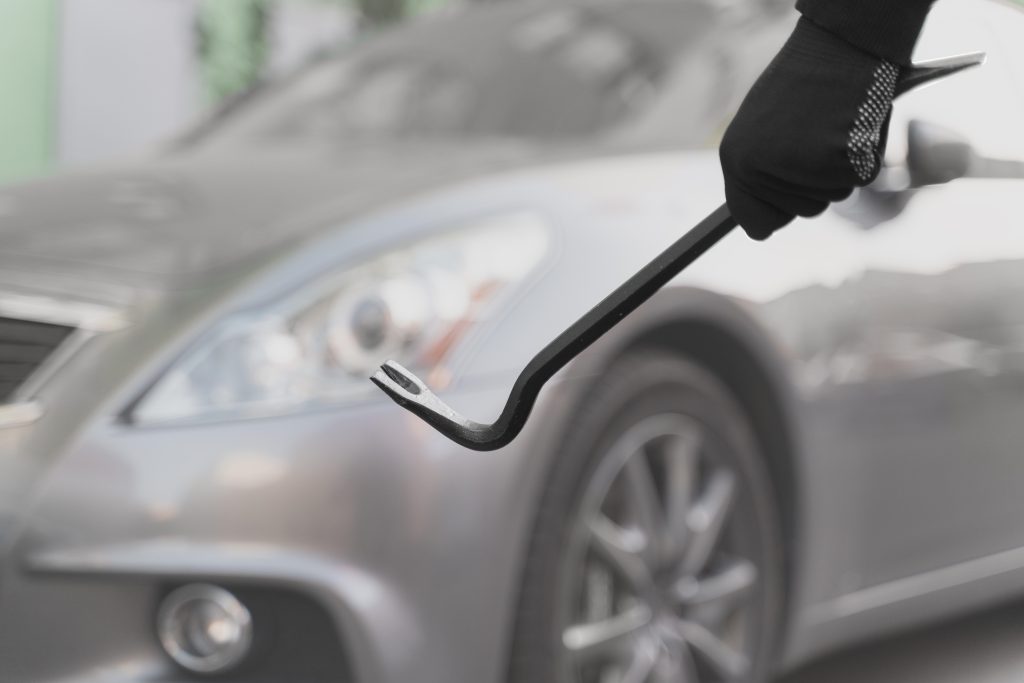
Modern car thieves have taken a step further: they don’t use crowbars; they use PCs instead. They hack into shipping systems or emails to find out where and when cars are being transported. Once they get their wanted data, they can change routes and create fake driver IDs to steal cars during transport.
To lower the risk, work only with companies that use encrypted tracking systems and secure channels for communication. Don’t send sensitive information like your address or VIN through public platforms or unsecured email chains
Insurance gaps and limited liability
Many car owners believe full insurance is included automatically when the car is transported, but not all coverage is equal. Some carriers only offer basic insurance, not covering theft, vandalism or accidental damage.
Before you sign anything, ask:
- If the insurance covers your car’s full value
- If it includes theft or vandalism coverage
- What’s the deductible (the part that you’d be paying yourself)
If the coverage is too low, you can choose to buy extra insurance for more protection
Poor communication or delays
Sometimes the biggest problem isn’t damage or theft. It’s not knowing what’s happening. Driving might get delayed by weather, traffic or scheduling mix-ups.
Good companies keep you updated and easy to reach. If a company won’t share the driver’s contact info or keeps giving vague answers, that’s a sign to look for another one.
Car Theft Prevention Tips while Transporting
Choose a reliable service
The best way to keep your car from being stolen starts before you even start driving. Always make sure that the business you hire has the right licenses and insurance:
- Check their FMCSA registration and Motor Carrier (MC) number.
- Find reviews of safe auto transport from real customers. If there are many reviews and they all have the same handwriting, skip those.
- Check to see if they have insurance that covers theft, vandalism and damage.
If a quote seems way cheaper than the rest, that’s a red flag!
Confirm driver ID before pickup
Before you hand over your keys, call the transport company directly to confirm the driver’s full name, phone number, and truck license plate.
If you do it in front of them, it sends a message: you’re paying attention.
The real driver won’t mind at all, but what about a scammer? Obviously, there’s no need to continue and tell what he’ll do.
Request closed truck for luxury cars
If you’re moving a luxury or collectible car, always go for the closed type of shipping. Unlike open trailers, enclosed carriers keep your car hidden from view, protected from weather and secured behind locked panels.
Yes, it costs more, but I am sure it won’t surpass your car’s value.
Install GPS before shipping
A GPS tracker gives you real-time updates on your car’s location during transit. Your carrier might have some tracking tools, but having your own device will double the safety. If something goes wrong, you’ll have location data for police and insurers.
For your information, some trackers can even send alerts if your vehicle goes off its planned route.
Do not share shipping details publicly
It’s sometimes hard to keep it to yourself, especially when you relocate or buy a new car, but keep it low until it gets to you.
The information can go to the wrong hands, and everything can go down the drain.
Install a GPS Tracker or Smart Security Device
A GPS tracker is one of the best investments you can make for peace of mind. It lets you see where your car is at any time and helps police track it quickly if it’s stolen.
Some devices also alert you if your car starts moving unexpectedly or leaves a certain area. There are even models that plug directly into your OBD-II port (the diagnostic slot under the steering wheel) and can be hidden easily.
Stay in contact with transporting company
Stay connected throughout the whole journey. Ask for the driver’s number and check in once or twice during the trip.
If the driver is late or the company stops responding, call the carrier and, if necessary, the police in the area where you last tracked or saw them.
It can be a simple delay (most of the time), but it won’t hurt to be alert.
It only takes a few minutes to double-check, but it could save you from losing something that costs a lot of money.
What to Do If Your Car Was Stolen During Shipping
This section might’ve been a good help for Shaq. He probably won’t read it, but you should.
Having your car stolen during transport sounds like a nightmare, but knowing exactly what to do next can make a huge difference. Acting fast helps the police, the transport company and your insurance provider work together to find it and minimize the loss.
Here are the steps you need to take.
Step 1. Call the police right away
The first thing to do is call the police and tell them that the car was stolen. Give them all the information you have:
- The car’s VIN, brand, model and color.
- The name of the transport company, the broker and the driver.
- Your Bill of Lading copies.
- The last place and route the car was seen.
The sooner the police have this information, the better the chances of getting it back. If you’ve listened to us earlier and installed a GPS tracker, send the live location data too.
Step 2. Notify the broker and the auto transport company.
After you file the report, get in touch with both your broker and your carrier. They will help you file claims and work with investigators (if they are legitimate).
Request the following info:
- The driver’s full name, the truck’s license plate number and the insurance details.
- The insurance policy number for the carrier and how to file a claim.
- A written statement saying that they were responsible for your car when it went missing.
Step 3. Call your insurance company
Next, contact your personal car insurance provider. Even though the transport company’s insurance usually covers theft, your own insurer should still know what happened.
Provide them with:
- The police report number.
- The Bill of Lading and shipping contract.
- Any photos or tracking data from before and during transportation.
They’ll explain what your policy covers and may begin their own investigation. If you borrowed money to buy or lease your car, let your lender know right away.
Step 4. Collect and save all the documents
When dealing with insurance and police, paperwork matters. Keep copies of your contract with the transport company, the car inspection report from pickup day and any texts, emails or receipts related to shipping.
This proof shows that you handed the car over legally and helps avoid delays in insurance claims.
Step 5. Stay in contact with investigators and the transporter
It can take a while to get your stolen car back. Be polite but persistent. Call both the police and the transportation company often to get updates.
If your car was stolen during a cyberattack or a route interception, the company might be working with cybersecurity experts or federal agents.
Step 6. Be realistic and don’t lose your hope
When stolen cars have GPS tracking or digital trail data from secure car shipping systems, they are often found within days. But it’s important to stay prepared, as it may take weeks or months to get the car back, depending on where it went and how it was stolen.
If it’s not found, your insurance and the carrier’s insurance should pay you the car’s market value.
Step 7. Learn from the experience
No one expects their car to vanish mid-transport, not even Shaquille O’Neal. But after the chaos is over, use it as a chance to learn.
Next time, only hire carriers that are licensed and insured, check the identity of each driver, and think about using enclosed transport or GPS tracking to keep your car safe.
Safe auto transport isn’t just about getting your car from point A to B. It’s about trusting who you hand the keys to.
With careful planning and awareness, your vehicle can travel securely and arrive exactly as it left.