
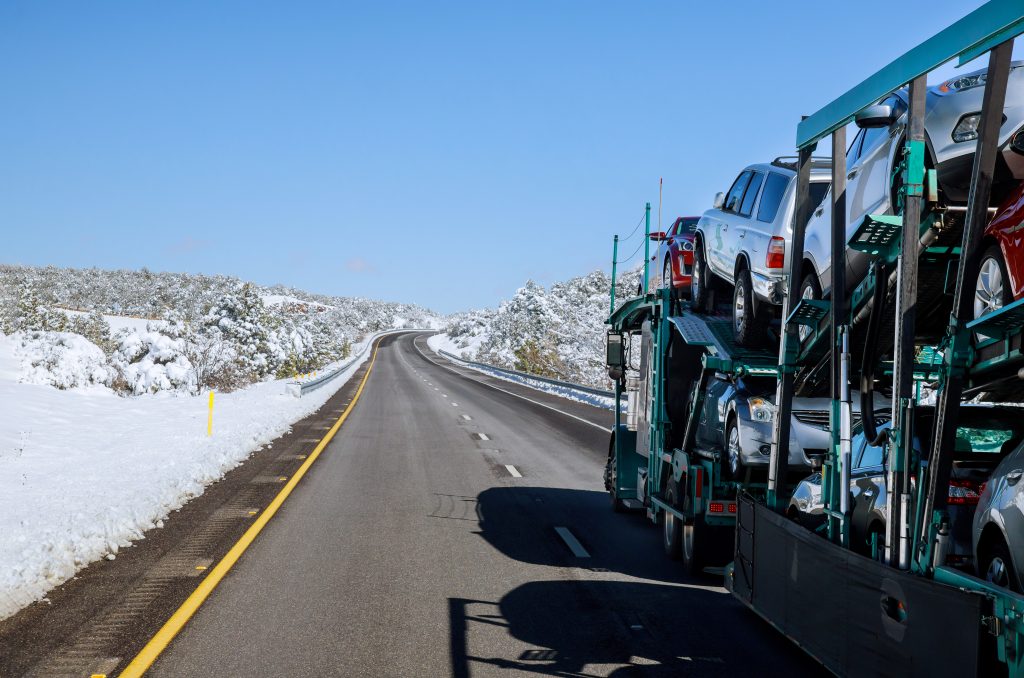
Winter is approaching with confident steps; hereby, issues such as icy roads, snow-covered highways, slush, and salt become daily realities for drivers and transport companies alike. Logically, moving a car from one place to another becomes quite a challenging process. And it does not matter whether you are relocating to escape the chill, purchasing a car from another state, or simply sending your car ahead of you. In any case, shipping a car during winter requires extra care.
Start Clean, Stay Protected
The first step in preparing your car for shopping during winter is thoroughly washing it. The reason is that a clean car simplifies the process of creating your car’s condition report. Additionally, document all existing scratches or dents before the trip; in this case, you will have the necessary proof if the necessity occurs.
The next step should be checking your car’s fluid level; additionally, make sure that antifreeze is suitable for your destination’s temperature.
Your air conditioning system is also a very important aspect, even though it may seem obvious. Most manufacturers use the air conditioning system to remove interior moisture to prevent fogged windows and condensation. Tires also require special attention when it comes to transporting a car. So, try to make sure that your tread is sufficient for icy roads.
Power Up and Protect
It is a commonly known fact that winter negatively impacts car batteries, so ensure that yours is in good standing. Check terminals for corrosion and make sure that you fully charge it before transportation. Lubricating door locks and hinges will help escape freezing, while inspecting window seals protects against water and frost damage. If you are shipping a convertible, double-check the roof is securely closed and place a moisture-absorbing pack inside to prevent condensation from forming during transport.
Another important aspect is your car’s fuel level, so try to maintain your tank about a quarter full and opt for premium gas if possible.
While lower-octane fuel is usually fine for everyday driving, winter transport exposes your car to extreme cold. Using higher-quality fuel helps prevent your gas lines from freezing or bursting.
Expect a Little Dirt
Even with the best preparation, winter roads are leaving their marks on the car’s paint. Slush, salt, and grime can affect your car’s exterior, especially if it is being transported on an open trailer. While it will not harm your paint, your car may not arrive looking perfectly clean. A little road grit is simply part of the adventure, and it is not a big price to pay for the safety and convenience of winter transport.
Choose the Right Transport Partner
Choosing an experienced and licensed auto shipping company is key. The right carrier carefully checks weather conditions, plans safe routes and adjusts schedules to avoid dangerous roads. Winter transport is all about preparation and expertise. Therefore, try to do your best to choose the professionals who are aware of the season’s unique challenges.
Final Thoughts
Winter is not a season; it’s a celebration of survival. So with careful planning, special attention to details, and the right transportation company, the car shipping process will run smoothly and worry-free. It does not matter whether it’s a short move across the state or a long-distance relocation; just prepare in advance, choose a professional carrier and enjoy the sweetness of doing nothing while your car is being transported in the best and safest possible way.