
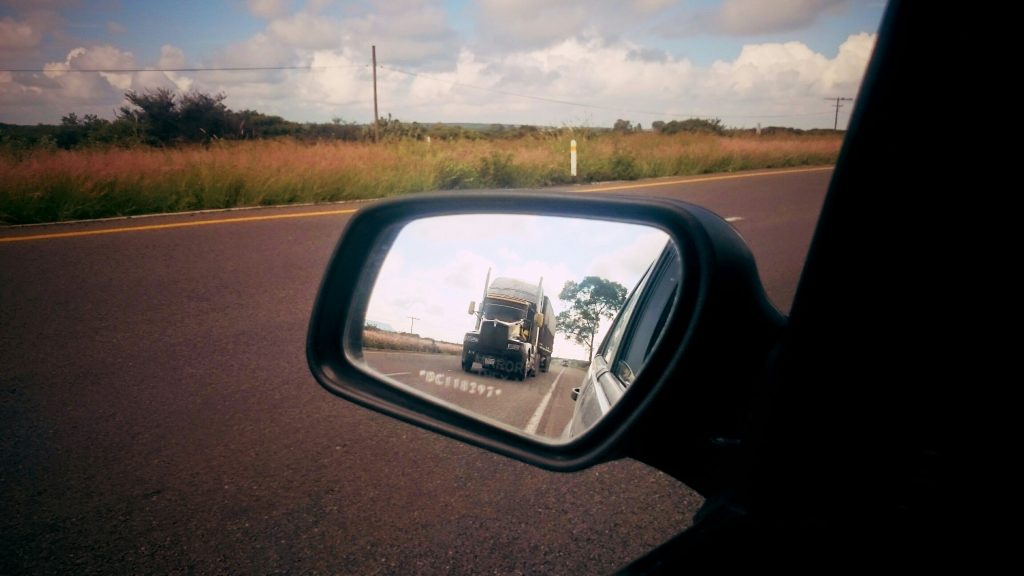
When your job is all about getting vehicles safely from point A to point B, every mile is a chance to show how professional you are. And it does not really matter whether you are shipping a valuable exotic vehicle or just a family car; for both options the final goal is the same – safety!
This is precisely why defensive driving for truck drivers is one of the most crucial aspects when it comes to transporting cars.
The main idea of defensive driving is not just about following traffic laws. In reality, defensive driving is more than a skill; it’s a mindset that keeps you sharp, adaptable, and always one step ahead. In short, defensive driving is about staying in control and taking steps to prevent accidents before they even start. But let’s dive deeper into this topic and unlock all the benefits of defensive driving.
What Is Defensive Driving?
What does defensive driving really mean? Simply put, defensive driving is the art of staying two steps ahead of trouble. It’s driving with your eyes wide open, not just to the road ahead, but to everything around you. For car transporters this mostly means adjusting your driving for road and weather conditions, staying aware of your trailer’s length and blind spots, and always accounting for the extra space your vehicle needs to stop or turn. Making these small but consistent choices can have a big impact on keeping both the driver and the cargo safe.
Why Defensive Driving Matters for Car Transporters
For car transporters, the stakes are high and the loads are heavy. Driving a fully loaded trailer is like trying to handle a huge, heavy vehicle; there is no chance for mistakes. One wrong move can become a reason for a huge problem. Changing weather, sharp turns, and impatient drivers keep every trip challenging. Ultimately, one small mistake can cause a big problem.
Smart Defensive Driving Strategies
When we are talking about defensive driving for commercial vehicles, it is wise to mention that there is no magic trick, just strong habits built over time. All you need to do is just keep your eyes moving and your mind clear. Avoid using your phone, rest regularly, and don’t let fatigue take the wheel.
Keep a close eye on the traffic ahead, like a chess player thinking several moves ahead. Always maintain a safe following distance with a trailer full of vehicles; you can’t stop instantly. Remember that driving is a form of communication. Here you should actively use signals, lights, and mirrors to let others know about your intentions. In bad weather, like heavy rain, slippery roads, or low visibility, it’s better to be patient than to be fast. Smart drivers know that driving defensively means not going too fast but rather being steady, smooth, and in control.
Master the Art of Safe Driving: Special Training for Heavy Vehicle Drivers
Great drivers are not born; they are developed through miles, experience, and a mindset that prioritizes safety above all else. Practicing defensive driving tactics is more than just following the regulations; it’s about developing intuition. Furthermore, there are many training programs designed specifically for heavy commercial truck drivers to develop awareness, practical abilities, and safe driving practices for all types of road scenarios.
During these classes you can learn important aspects like how to avoid danger, how to brake, how to prevent rollovers, how to deal with fatigue and other issues specific to each type of vehicle.
Drivers learn how to expect problems and deal with them in a safe way through case studies, movies, and group discussions. This makes safe driving second nature. These programs, which last all day or half a day, provide people the information and confidence they need to drive heavy vehicles safely and well.
Keep Calm and Drive Defensively
The ability to drive conservatively is ultimately what distinguishes a decent driver from a great one. Although roads might be unpredictable, preparing for them can boost your self-confidence. Remember that safety is smart and smooth is safe the next time you drive. Driving defensively requires more than just avoiding danger; you must also manage the journey. When safety comes first, every delivery is more than simply a duty; it’s a promise kept.