
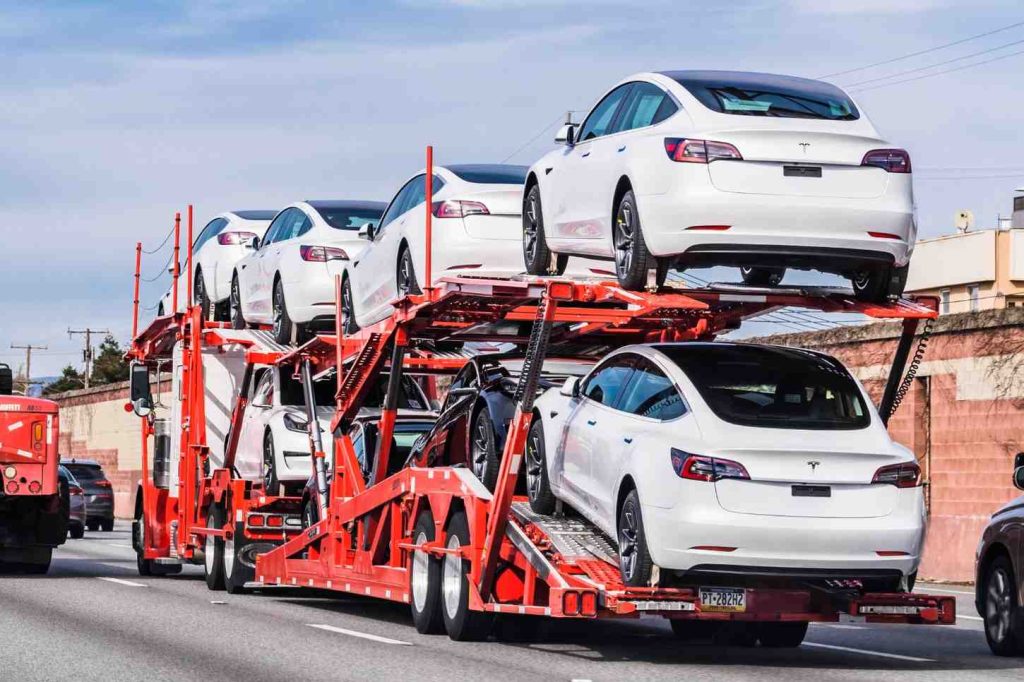
Electric and hybrid cars (EVs and HEVs) are no longer considered niche choices. Nowadays, electric cars are part of the standard automotive market. Now they are a must-have for drivers who wish to save on fuel, reduce emissions and enjoy long-term cost benefits. With more options, such as more brands and models, and incentives like tax credits and rebates, these cars appeal to a wide range of car buyers. Hereby, with the rising popularity of electric cars, understanding the process of shipping electric vehicles has become an important aspect for both carriers and car owners. So, it does not matter whether you are relocating or buying a new electric car; the key is knowing how to safely transport these cars and save both money and stress.
Why EVs and Hybrids Require Special Shipping Considerations
Transporting an electric or hybrid car is slightly different from transporting a regular one. One of the main differences is the fact that in electric cars there are massive lithium-ion batteries that are especially sensitive to temperature, charge levels and handling. The thing is that improper care may lead to serious issues such as battery damage, and while overheating is rare, carriers still need to be cautious. This is exactly why working with a professional electric car delivery service is essential. Along with battery safety, they generally weigh more than usual gas-powered cars. For example, an electric Ford F-150 Lightning weighs comparatively more than its gasoline counterpart. This is why carriers need the proper equipment and specialized trailers for safely transporting these heavy vehicles.
Understanding the Growing Electric Vehicle Market
According to the International Energy Agency’s Global EV Outlook 2025, global electric car sales reached a new level in 2024 by selling 17 million cars worldwide. Which is 25% higher compared to the previous year. It is the time when more than 20% of all new cars sold worldwide were electric. Nowadays, China is cornering the market with more than 11 million sales, which is nearly two-thirds of global electric car sales.
At the same time, in Europe the popularity of electric cars slowed down since most governments reduced subsidies and kept CO₂ targets unchanged.
In the United States the sales of electric cars jumped to 1.6 million cars. Hereby, by the end of 2024, nearly 58 million electric cars were on the road worldwide. This growth helped replace more than 1 million barrels of oil each day, highlighting the world’s accelerating move toward sustainable transportation.
Preparing Your EV or Hybrid for Shipping
There are several vital steps that electric car owners should implement before shipping to ensure that their car arrives safely. First of all, it is important to maintain the battery charge between 45% and 65%. This level of power would be enough for driving the car without risking overheating. Additionally, before shipping, carefully inspect and clean your car; this will help you document any pre-existing scratches or dents. Also, do not forget to remove all your personal belongings to avoid loss or unforeseen charges and provide the transporter with an extra set of keys.
By implementing the above-mentioned steps, you can be 100% sure that your car will get to its final destination safely and without any delays. Additionally, you can turn to a professional electric car delivery service based on your specific vehicle type.
Tips for Carriers Transporting EVs and Hybrids
There are a few requirements that carriers also have to follow when it comes to shipping electric cars. For example, using the right trailer type, whether open or enclosed. Generally, high-value electric cars often benefit from enclosed trailers, while standard cars may safely be shipped on open trailers. Battery management is another important step, since transporting cars with fully charged batteries can increase overheating risk. Additionally, carriers should take into consideration the vehicle’s weight and adhere to regulations concerning lithium-ion batteries to ensure compliance and safety.
Costs and Considerations
The price for shipping electric cars can slightly differ from regular ones. This is mainly because of the added weight, specialized equipment, and extra care for battery safety. Among the additional factors that may influence the final cost of the shipping are distance, trailer type, the weight of the car, and seasonal demand. The most positive aspect is that owners can manage the final price by planning in advance and taking into consideration factors such as choosing terminal-to-terminal shipping and choosing trustworthy electric car delivery services.
Final Thoughts: Safe, Stress-Free EV Shipping
As you can see, shipping electric and hybrid cars is not so complicated as it may seem to be at first glance. All you need to do is just be aware of your car’s weight and industry regulations. It will allow you to make sure that your car will get to its final destination safely and on time. Whether you are moving a car across the country or simply relocating within the state, working with a professional transporter is key for your car’s successful delivery.
With proper preparation and expert guidance, shipping your EV or hybrid can be a smooth, stress-free experience.